What is the best age to send a child to private school?

Choosing when to send your child to private school is a big decision, and there is no single answer that fits every family. The “best” age depends on your child’s personality, your priorities, and what you want from their education. Some parents choose early years for continuity, but others wait until secondary school so their child can benefit from greater academic focus and independence.

What matters most is not just when you start, but why. Because private education is designed to support the whole child, the timing should reflect when your child will benefit most from a nurturing, structured and enriching environment.

Starting in early years (ages 4–7)

Many families choose to begin private education at Reception or Key Stage 1. This approach works well because it provides a strong foundation from the very beginning.

At this stage, children are naturally curious and adaptable. A supportive environment with small class sizes can help them build confidence early, but also develop positive learning habits that last throughout their education. When children feel secure, they are more willing to explore, ask questions and take risks in their learning.

At schools like St Columba’s College, pupils can begin from age 4 and continue through to sixth form, creating a seamless educational journey. This continuity helps teachers understand each child deeply, so learning is tailored from the outset.

Starting early can be beneficial because it removes the need for later transitions, but it may not suit every child. Some children thrive in early independence, while others benefit from a slower start.
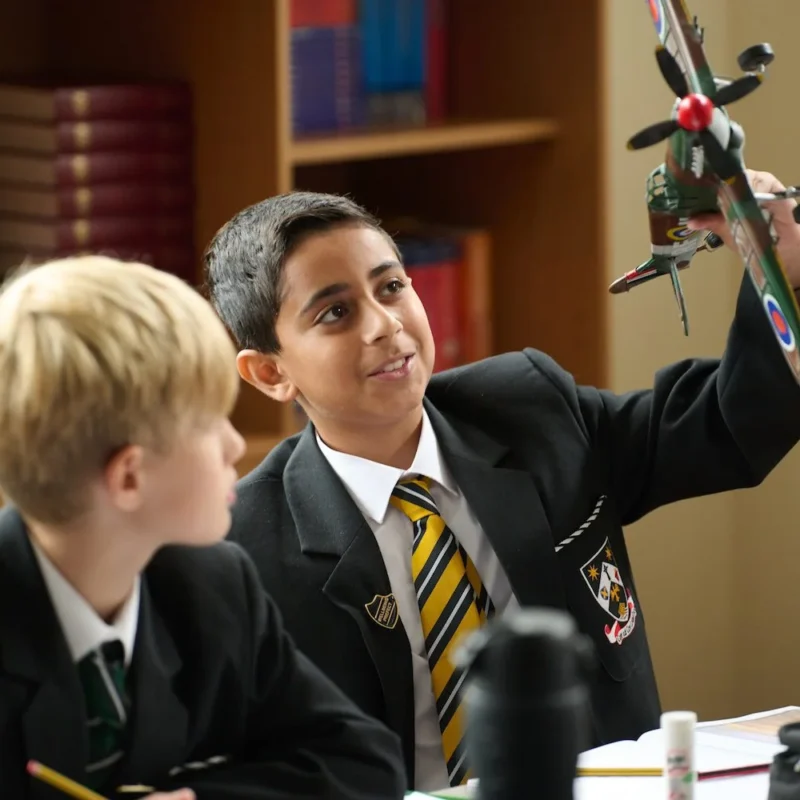
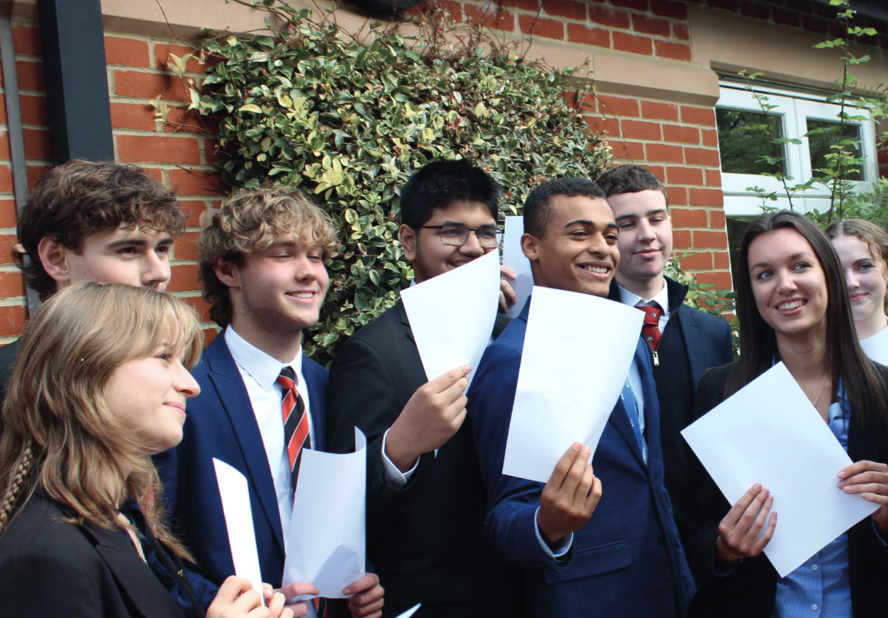
What is the best age to send a child to private school?

Joining at prep or junior level (ages 7–11)

Another common entry point is during the prep or junior years. This can be an ideal balance, because children are more socially and emotionally developed, but still open to new routines and environments.

At this age, children begin to form stronger friendships and develop academic interests. A private school setting can support this growth by offering a broad curriculum alongside co-curricular activities such as sport, music and drama.

Because private schools often focus on the “whole child”, pupils are encouraged to explore their interests beyond the classroom. This matters because confidence and character development are just as important as academic achievement.

Joining at this stage also allows children to prepare gradually for the demands of senior school, but without the pressure that can come with later transitions.

Transitioning at secondary school (ages 11–13)

For many families, the most practical time to move into private education is at the start of secondary school. This is a natural transition point, so children are already expecting change.

At this age, academic expectations increase, and pupils begin to think more seriously about their future. A private school environment can offer smaller classes, more personalised teaching, and greater subject choice, which helps pupils build both confidence and independence.

At St Columba’s College, the emphasis is on combining academic ambition with individual support, so pupils are challenged but also encouraged at every stage.

This stage works well because children are mature enough to adapt quickly, but still young enough to benefit from long-term guidance. However, some children may find the transition more demanding, especially if they are moving from a very different school environment.

Moving for sixth form (ages 16–18)

Some families choose to wait until sixth form before moving into private education. This can be a strategic decision, because these final years are crucial for university preparation.

Private sixth forms often offer a more focused and supportive environment, with smaller class sizes and personalised academic guidance. Students are encouraged to take responsibility for their learning, but they are also supported in developing independence and resilience.

At St Columba’s College, sixth form students benefit from a broad A-Level curriculum and enrichment opportunities that help prepare them for university and beyond.

This option can be particularly effective for motivated students, but it may not provide the same long-term continuity as starting earlier.

What is the best age to send a child to private school?

What matters more than age?

While age is important, it is not the only factor. The right timing depends on your child’s readiness and your family’s goals.

A few key considerations include:

  • Personality: Is your child confident in new environments, or do they need time to adjust?
  • Academic needs: Would they benefit from smaller classes or more individual attention?
  • Continuity vs flexibility: Do you want a consistent journey, or are you comfortable with transitions?
  • Opportunities: Are you looking for broader co-curricular activities or specific academic pathways?

At its core, private education should support both academic progress and personal development. Schools like St Columba’s College place equal emphasis on these areas, because success is about more than results alone.

Is there a “right” answer?

There is no universally “best” age to send a child to private school, but there is a best time for your child.

Starting early can provide continuity and confidence, but joining later can bring fresh motivation and focus. What matters is choosing a moment when your child is ready to engage, grow and benefit from the opportunities available.

Because every child develops differently, the decision should be guided by their needs rather than a fixed timeline.

Book a Visit or Enquire Now

Why timing and environment go hand in hand

The age you choose matters, but the environment matters just as much. A school that combines academic ambition with strong pastoral care will support your child at any stage.

At St Columba’s College, pupils are known as individuals, so they are supported academically and personally throughout their journey. This balance helps children grow into confident, capable and compassionate young people, regardless of when they join.

If you are exploring options, you can learn more about our school here.

For broader guidance on choosing a school in the UK, this resource may help.

So, what is the best age to send a child to private school?

The honest answer is: it depends. Early years offer continuity, secondary school brings structure, and sixth form provides focus.

But the most important factor is finding the right environment at the right time. Because when a child feels supported, challenged and understood, they are far more likely to thrive—whatever age they start.

Serving students from St Albans and the following areas:
St Albans, Harpenden, Welwyn Garden City, Watford, Bushey, Radlett, Borehamwood, Hemel Hempstead, Hatfield, Potters Bar, Tring, Berkhamsted, Barnet, Harrow, Enfield, Baldock, Bishop’s Stortford, Broxbourne, Cheshunt, Chorleywood, Croxley Green, Elstree, Hereford, Hitchin, Hoddesdon, Letchworth, Rickmansworth, Royston, Sawbridgeworth, South Oxhey, Stevenage, Waltham Cross, Ware

Skip to content