What’s the difference between a private and independent school?

Many parents researching education options ask the same question: What’s the difference between a private and independent school? The two terms are often used interchangeably in the UK, but they can cause confusion if you are exploring schools for the first time.

In simple terms, an independent school is a private school. Both describe schools that operate outside the state-funded system. These schools charge fees, set their own curriculum, and manage admissions independently rather than following government funding structures.

However, people sometimes use the phrase “private school” in a broader or more informal way. Because of this, understanding the difference between private and independent school terminology can help you make more informed decisions when choosing the right environment for your child.

Schools such as St Columba’s College focus on academic development, character formation, and a supportive community. But understanding how the sector works is the first step before exploring individual schools in detail.

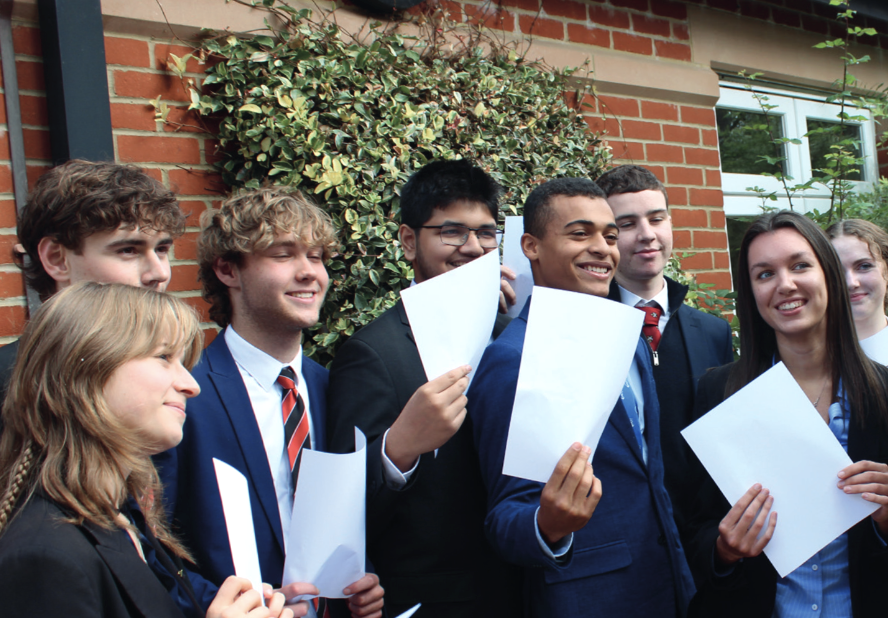
Understanding the difference between private and independent school terminology

The difference between private and independent school terminology is largely about language rather than structure.

In the UK:

  • Independent schools are institutions that operate independently of government funding.

  • Private schools is a general term used by many parents and media outlets to describe the same schools.

Independent schools receive their funding primarily through tuition fees, donations, and endowments. Because they are financially independent from the state, they can shape their educational approach more freely.

Most independent schools belong to organisations such as the Independent Schools Council. These bodies support standards, inspection frameworks, and professional development. Schools are also inspected regularly by approved inspectorates to maintain high levels of educational quality.

For parents, this independence can translate into smaller class sizes, a wider range of extracurricular opportunities, and a more personalised learning environment.

For more details about how the sector operates, you can explore the Independent Schools Council website.

Is there really a difference between private and independent school education?

When people ask about the difference between private and independent school education, they are often wondering whether the student experience is different.

In reality, the classroom experience is typically the same because both terms describe the same type of school.

Independent schools usually offer:

  • A broad and balanced curriculum

  • A strong focus on academic outcomes

  • Extensive extracurricular opportunities

  • Smaller class sizes

  • Individual attention for pupils

Because these schools manage their own resources, they can invest heavily in facilities, specialist teaching staff, and enrichment programmes.

Many parents also value the emphasis on community and pastoral care. Schools often prioritise personal development alongside academic success, so pupils gain confidence, leadership skills, and independence as they progress through their education.

This holistic approach is a defining feature of many independent schools across the UK.

Why the difference between private and independent school wording can be confusing

The difference between private and independent school wording can feel confusing because the two terms appear in different contexts.

For example:

  • Parents and media often say “private school”.

  • Schools themselves usually describe themselves as “independent”.

  • Regulatory bodies also use the term “independent school”.

Historically, the phrase “private school” became widely used in everyday conversation because it simply describes schools funded privately rather than publicly.

However, the term independent school highlights the key principle behind these institutions: they operate independently of government funding and control.

So while the wording differs, the meaning remains essentially the same.

Understanding this helps parents focus less on terminology and more on finding a school that aligns with their child’s needs, interests, and ambitions.

What independent schools often offer families

Although the terminology may overlap, independent schools are known for offering a distinctive educational experience.

Some key features include:

Smaller class sizes
Teachers can give pupils more individual attention because classes are usually smaller than those in many state schools.

Broader opportunities
Many schools provide extensive activities including music, sport, drama, debating, and outdoor education.

Strong pastoral care
Pastoral systems support pupils emotionally and socially, not just academically.

Character development
Independent schools often place strong emphasis on values, leadership, and service to the community.

At St Columba’s College, education focuses on nurturing the whole person. Academic learning matters greatly, but schools also encourage students to grow in confidence, compassion, and responsibility.

Parents often choose independent education because they want a balanced environment that supports both achievement and wellbeing.

Learn more about our approach to education.

Independent School Watford

Choosing the right school for your child

While understanding the difference between private and independent school terminology is useful, the most important step is choosing a school that feels right for your child.

Every school has its own character, values, and strengths. Visiting campuses, speaking with staff, and experiencing the school community can provide far more insight than terminology alone.

When evaluating schools, consider:

  • Academic results and teaching quality

  • Pastoral care and wellbeing support

  • Extracurricular opportunities

  • School values and culture

  • Facilities and learning environment

Parents often discover that the atmosphere of a school plays a major role in their decision. A welcoming community and supportive environment can help pupils thrive academically and personally.

Get in touch

Choosing the right school is an important decision, and speaking directly with a school can make the process clearer.

If you would like to learn more about the ethos, academic programmes, and opportunities available at St Columba’s College, our admissions team would be happy to help.

Whether you are just starting your research or considering the next step in your child’s education, we welcome your enquiry.

Our team can provide information about admissions, arrange visits, and answer any questions you may have about independent education.

Book a Visit or Enquire Now

Serving students from St Albans and the following areas:

St Albans, Harpenden, Welwyn Garden City, Watford, Bushey, Radlett, Borehamwood, Hemel Hempstead, Hatfield, Potters Bar, Tring, Berkhamsted, Barnet, Harrow, Enfield

And then also list all of the towns in Hertfordshire:

Baldock, Barnet, Berkhamsted, Bishop’s Stortford, Borehamwood, Broxbourne, Bushey, Cheshunt, Chorleywood, Croxley Green, Elstree, Harpenden, Hatfield, Hemel Hempstead, Hereford, Hitchin, Hoddesdon, Letchworth, Potters Bar, Radlett, Rickmansworth, Royston, Sawbridgeworth, South Oxhey, St Albans, Stevenage, Tring, Waltham Cross, Ware, Watford, Welwyn Garden City.

Skip to content